We are processing your request.
Please, don't close or refresh the page.
9:30 AM – 5 PM
Pl. des Palais 7, Bruxelles, Bruxelles
1.5-2 hour approx.
Price from: 10.90 €

BELvue Museum, Brussels: Tickets and Info

This website offers official tickets for this venue. Please note, however, that it is not the official website of the venue.

Smartphone tickets

Smartphone tickets

Why wait?

Priority Access Available

Instant confirmation

Instant confirmation

Flexible cancellation
Flexible cancellation

Smartphone tickets

Smartphone tickets

Everything you need, right in your pocket!
Why wait?

Why wait?

Skip the line and get priority access
Instant confirmation

Instant confirmation

Receive your tickets seconds after your purchase
Flexible cancellation

Flexible cancellation

Free cancellation up to 24 hours before the event available on selected experiences
4.7
(19)

BELvue Museum: Entrance ticket + Audio guide

Highlights

Discover Belgium’s complex social and political background.

Experience more than 200 diverse exhibits showcasing national treasures.

Utilize an audio guide in several languages via your own device.

Visit both permanent and rotating temporary exhibitions.

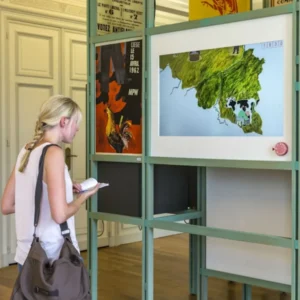
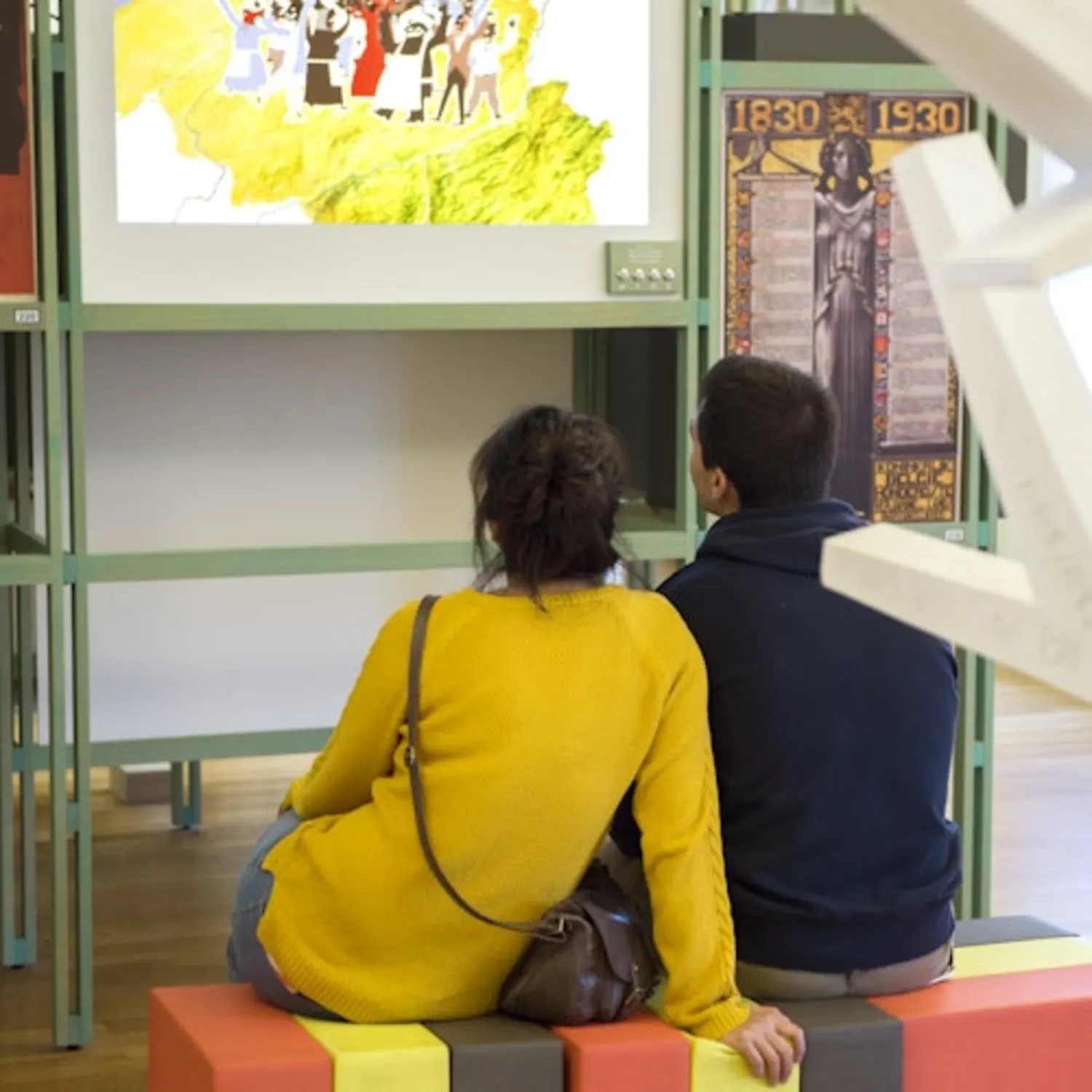
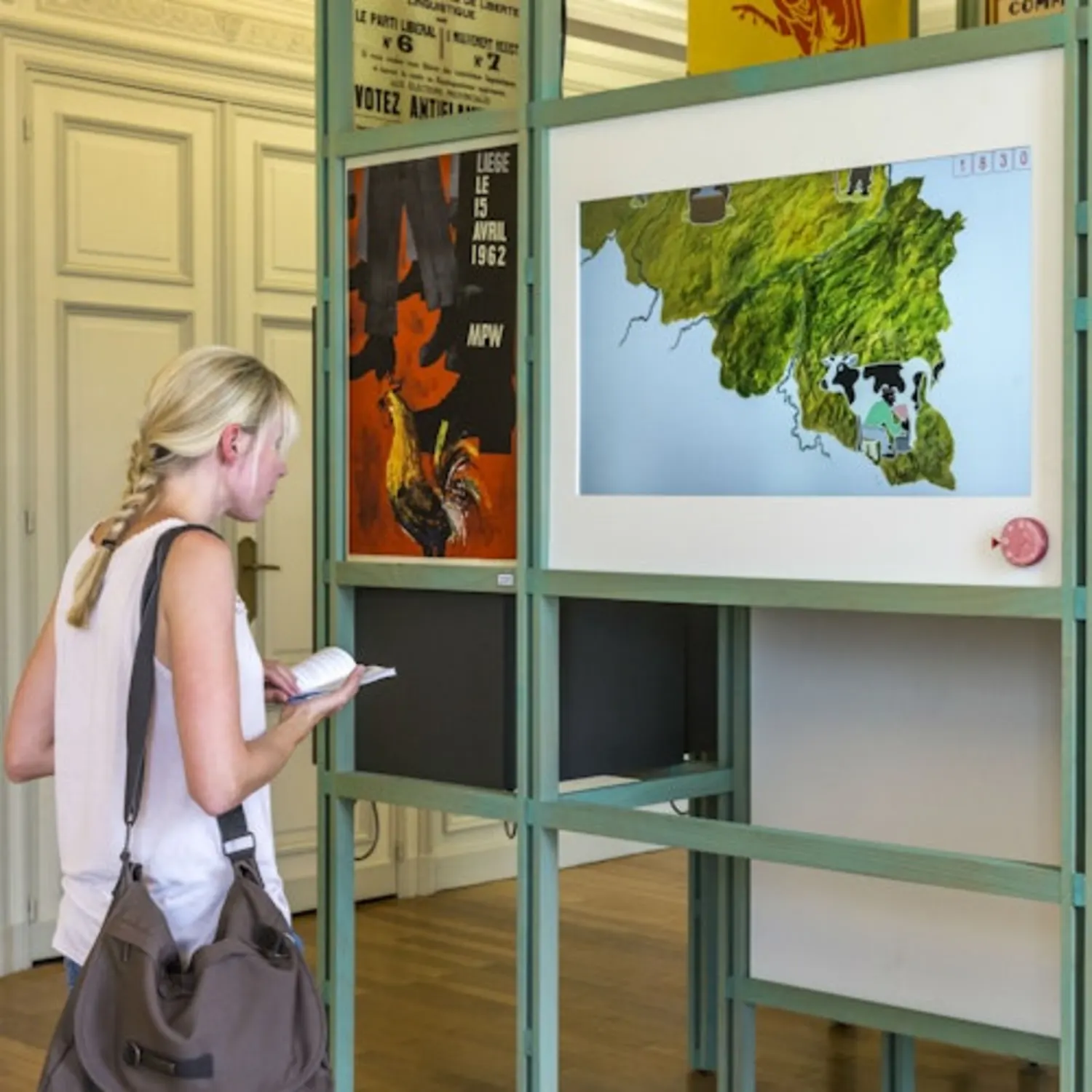
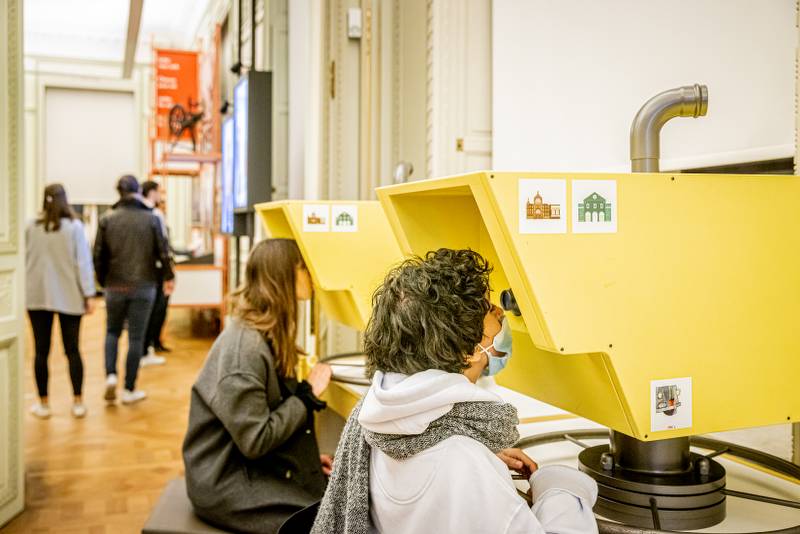
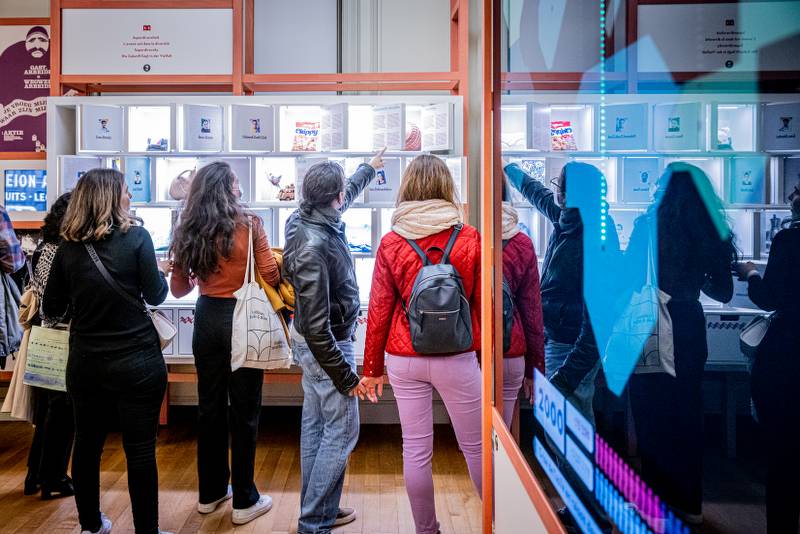
Engage with interactive displays for a vivid learning experience.
4.7
(17)

Brussels Card: 49 Attractions + Discounts

Highlights

Access numerous museums throughout Brussels unrestricted for the duration of your card.

Enjoy entry to both permanent and many temporary exhibitions.

Benefit from special discounts at tourist spots, guided tours, retail stores, eateries, and bars.

Receive a detailed guide app available in English, French, and Dutch.

Includes city and museum maps for easier navigation.
Good to Know Before Visiting the BELvue Museum

The museum is closed to the general public every Monday, except for pre-booked school groups or private tours.

Entry to the permanent exhibition is entirely free for everyone every Wednesday afternoon starting from 2 PM.

You can also enjoy free admission on the first Sunday of every month, though it is often the busiest time to visit.

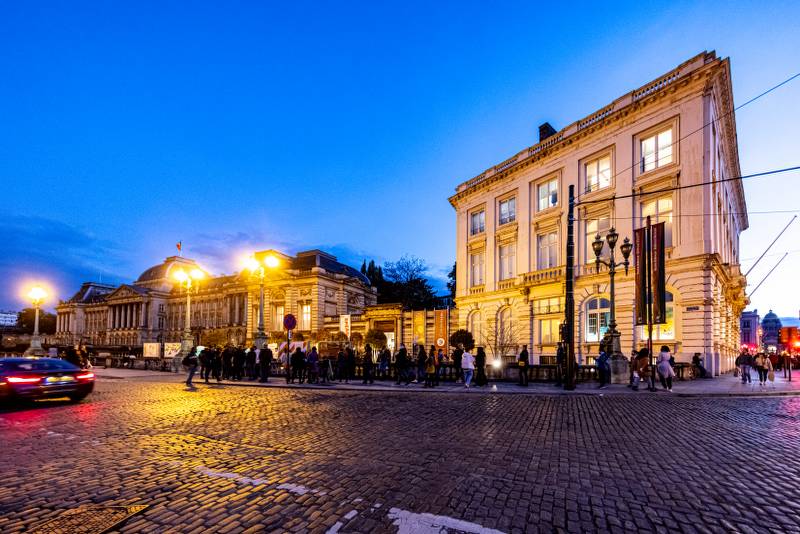
The museum is located in a high-security area next to the Royal Palace, so be prepared for occasional road closures during official state visits.

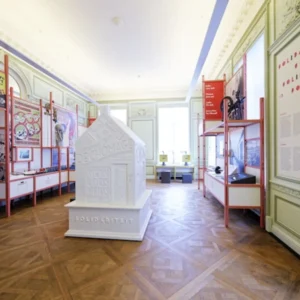
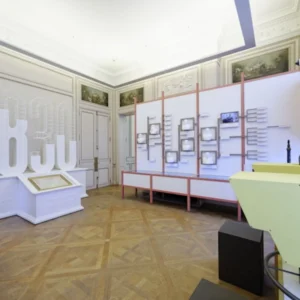
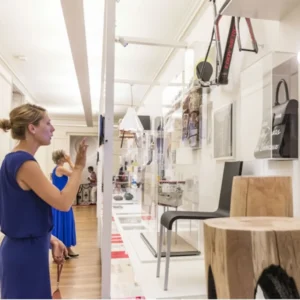
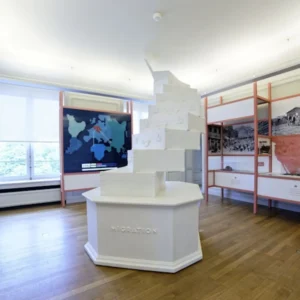
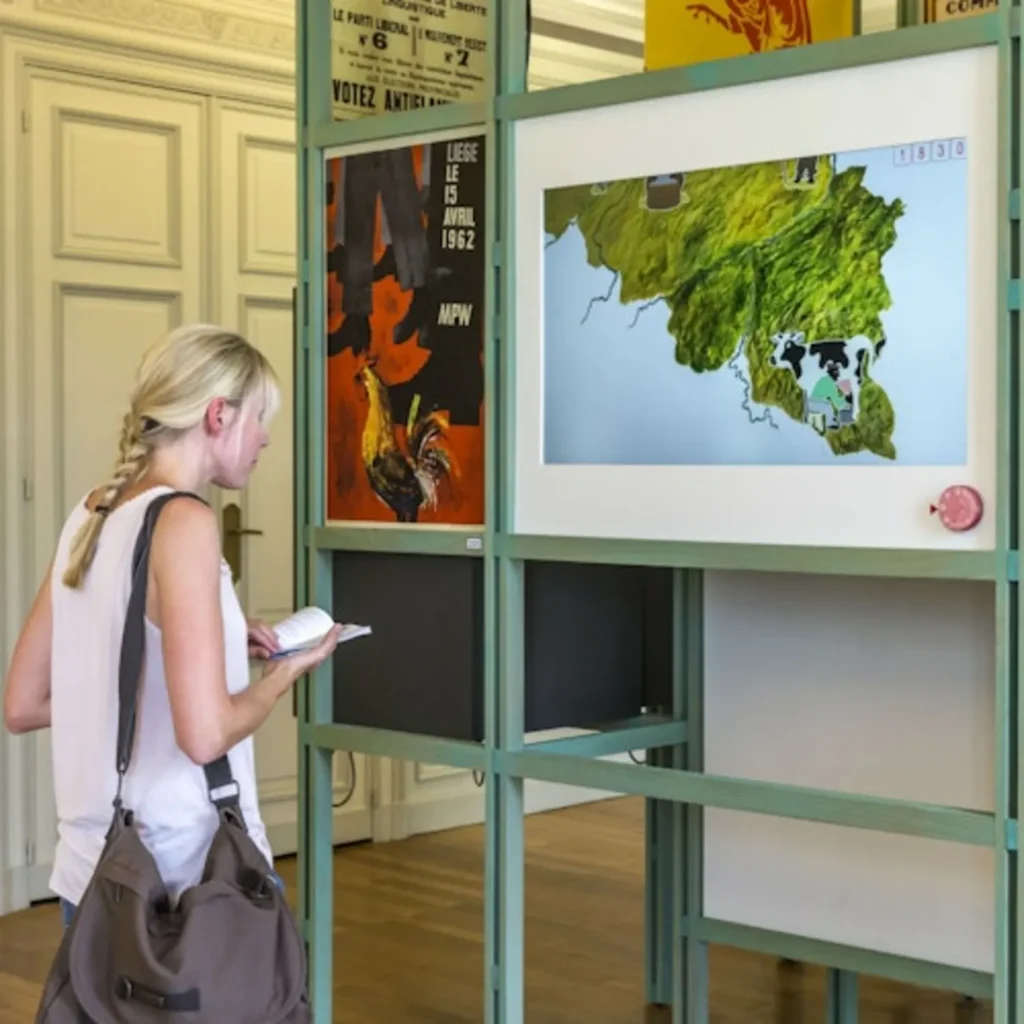
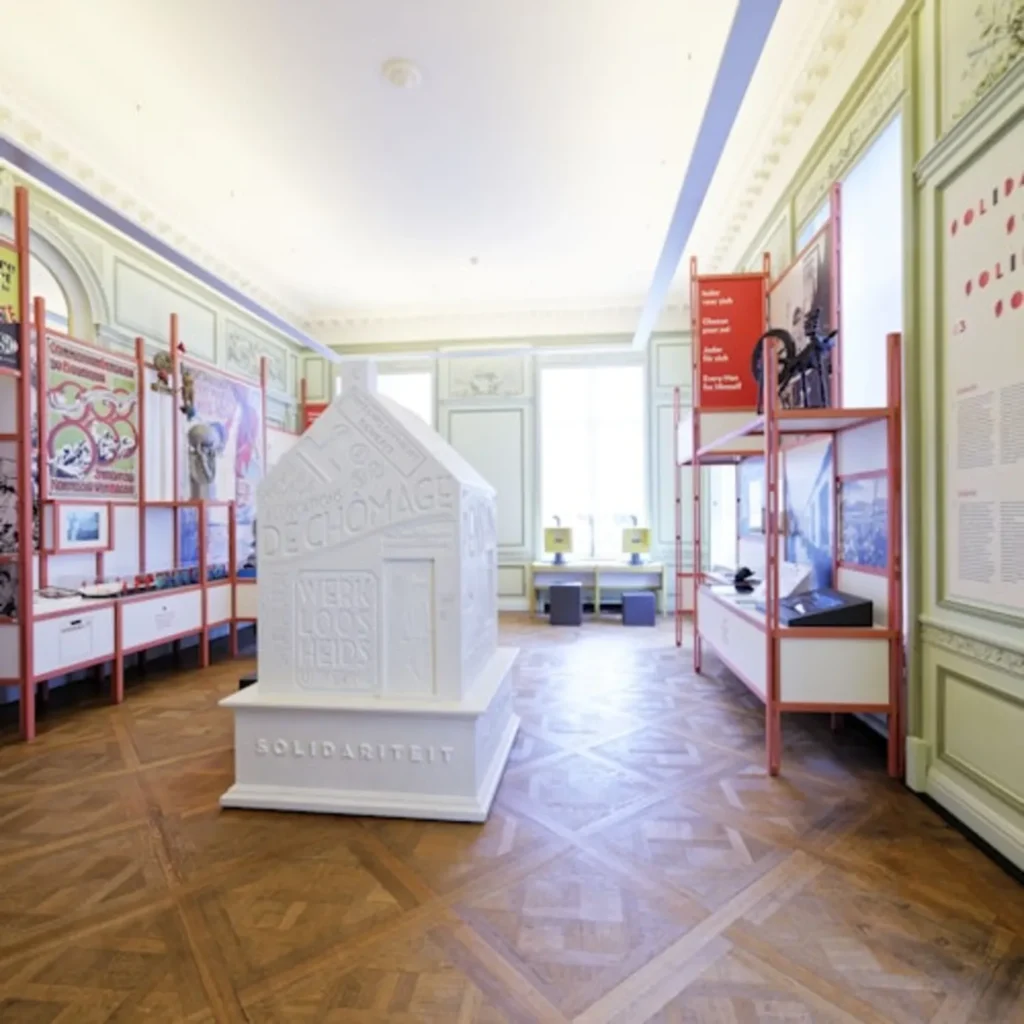
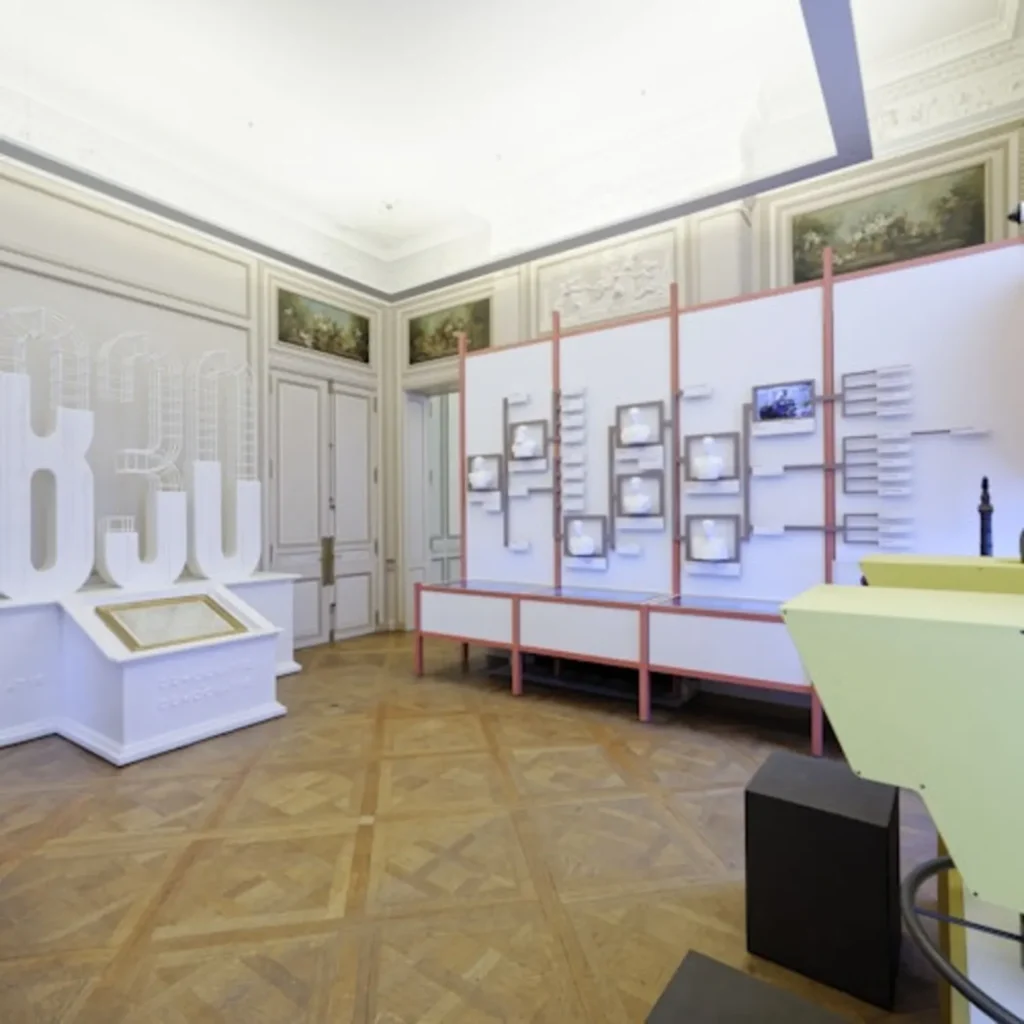
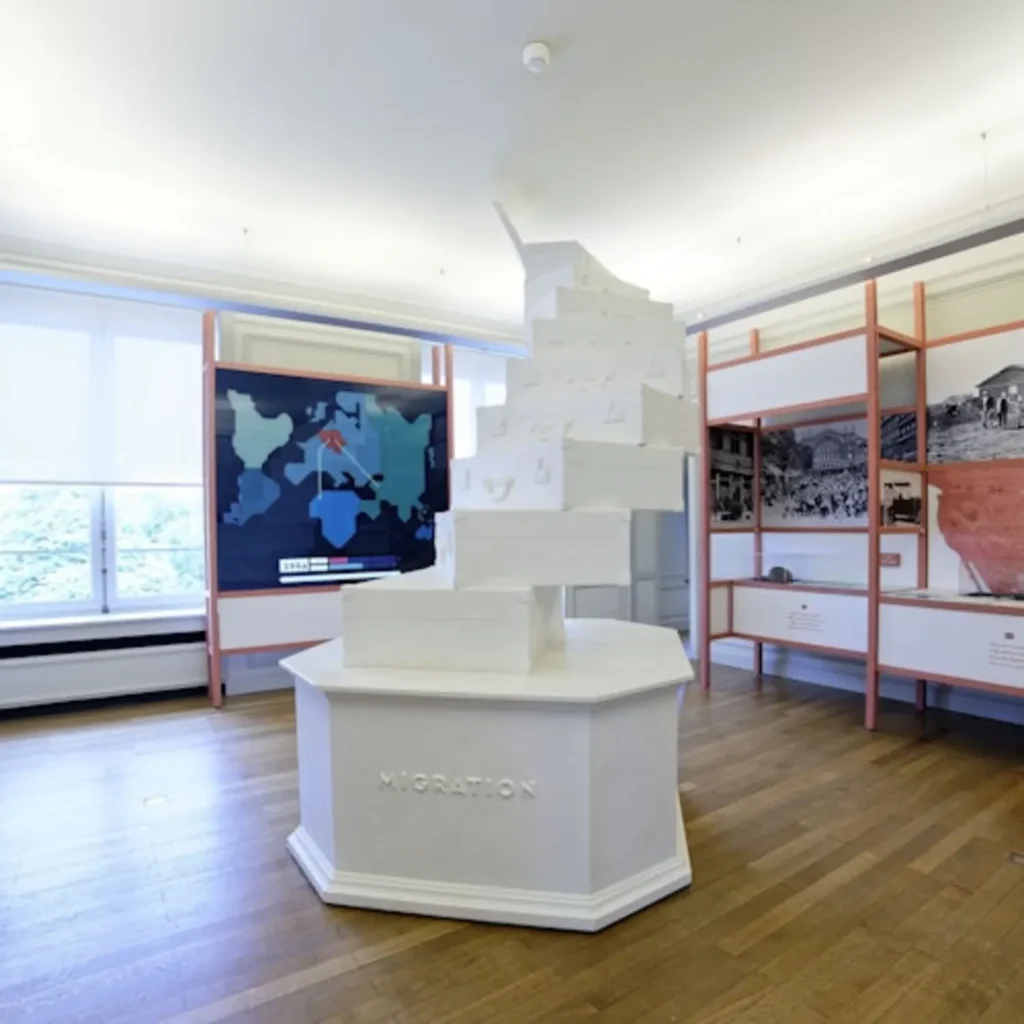
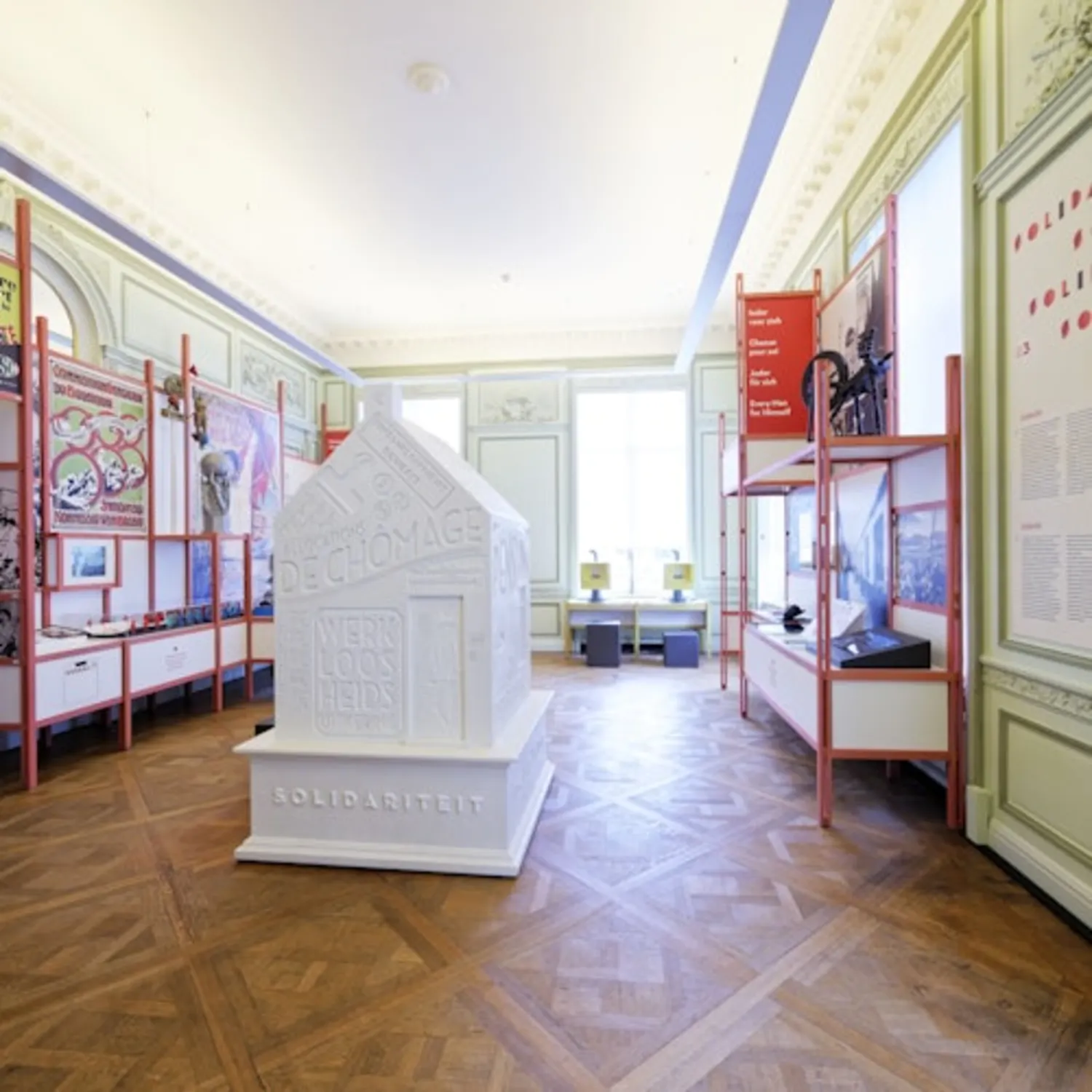
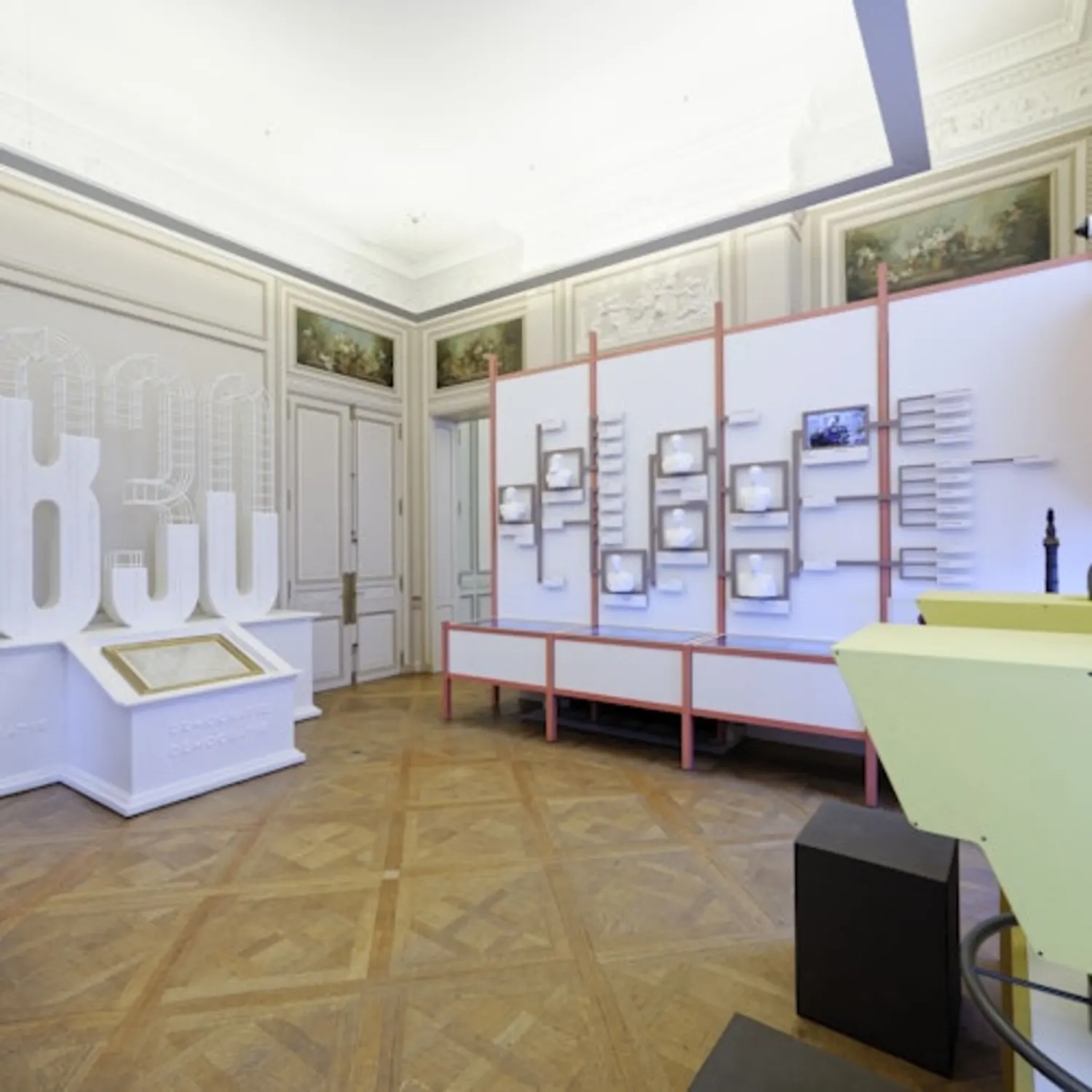
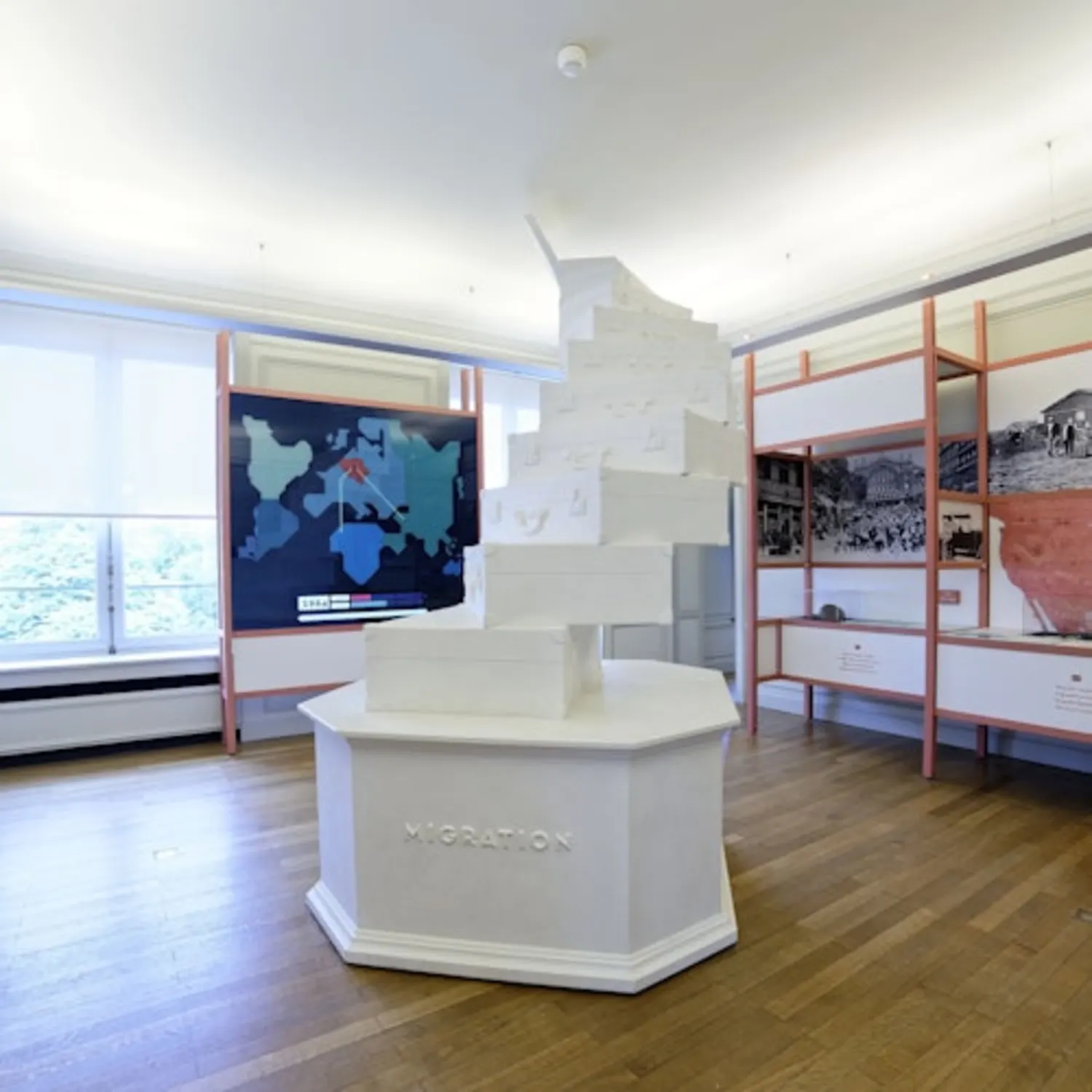
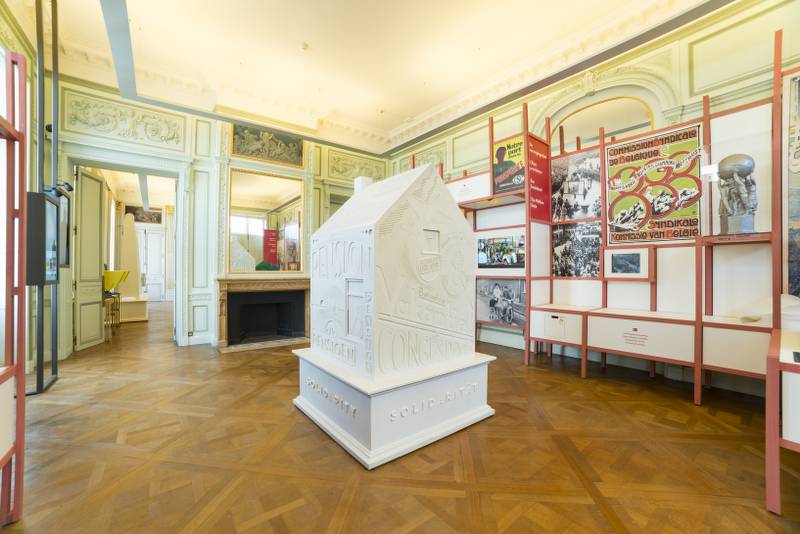
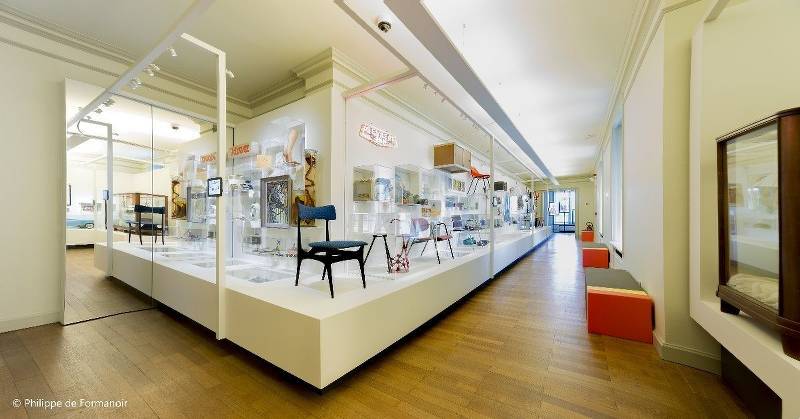
The permanent collection is presented across seven rooms, each focusing on a different theme like democracy, prosperity, or solidarity rather than just a simple timeline.

Standard last entry is granted 45 minutes before the museum closes, but you should allow at least 90 minutes for a full visit.

Large bags and umbrellas must be stored in the free lockers provided near the reception area before you enter the galleries.

Multimedia guides are available at the front desk and are highly recommended for understanding the social context of the 1,500 objects on display.

The museum is fully wheelchair accessible, with elevators serving all floors and ramps located at the main entrance.

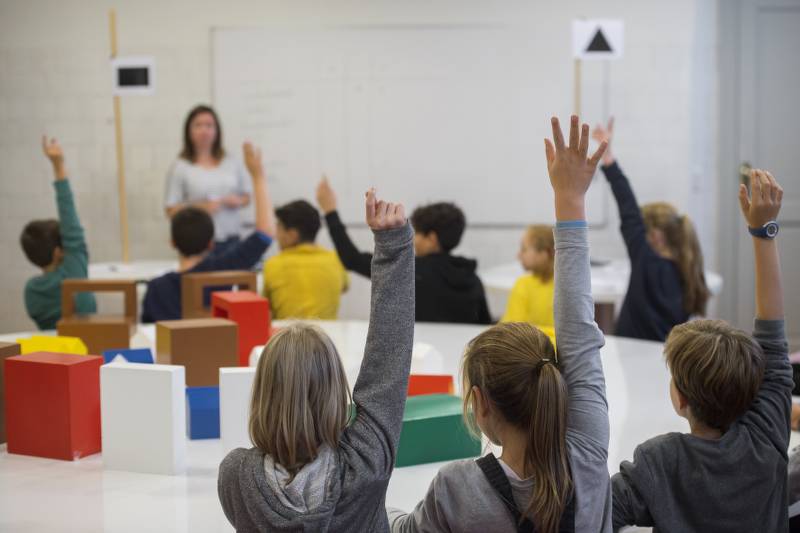
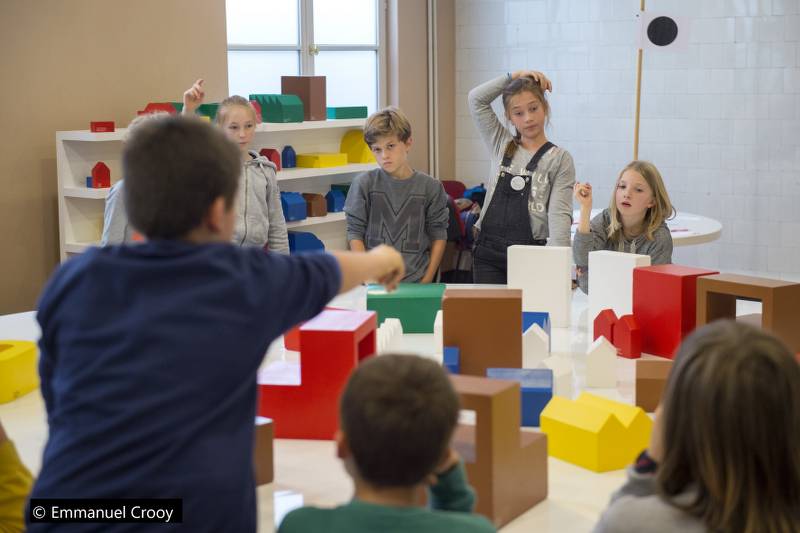
If you are visiting with children, ask the staff for the specific “kids’ tracks” or activity folders designed for different age groups.

Essential Visitor Info

BELvue Museum (Google Maps)

The BELvue Museum is open to visitors during these hours:

Tuesday to Friday: 9:30 AM - 5 PM

Saturday, Sunday: 10 AM - 6 PM

Mondays: Closed

Closed on 25 Dec & 1 Jan.

BELvue Museum (Google Maps)

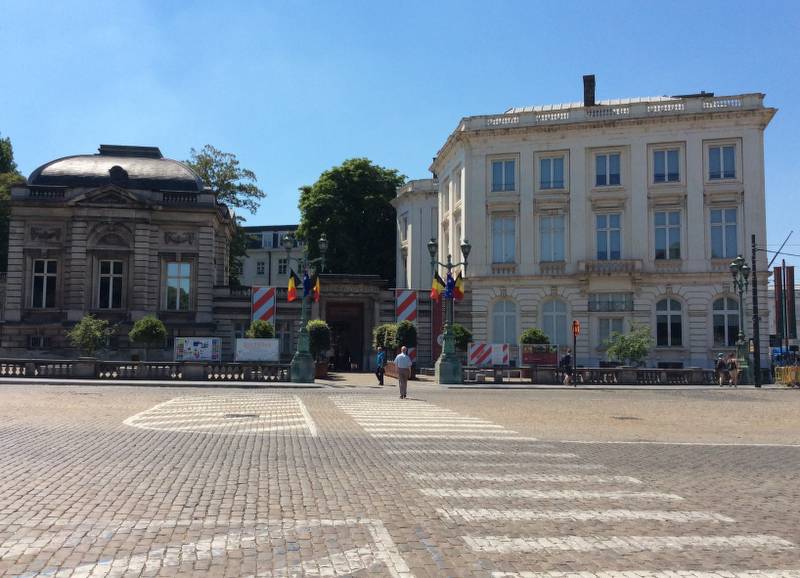
The BELvue Museum is situated in the heart of the Royal Quarter of Brussels, directly adjacent to the Royal Palace. Its central location makes it easily accessible through a variety of transport options.

Address:
Place des Palais, 7
1000 Brussels
Belgium

Train: The Brussels-Central (Bruxelles-Central) station is approximately a 10-minute walk from the museum entrance.

Metro: Lines 1 and 5 stop at Parc/Park station, while lines 2 and 6 serve the Trone/Troon station. Both are roughly 5 to 7 minutes away on foot.

Tram: Lines 92 and 93 stop at Palais/Paleis, which is located just outside the museum.

Bus: Several bus lines serve the area, including lines 27, 33, 38, 71, and 95, with stops at Royale/Koningsplein or Ducale/Hertog.

Car and Parking: While the museum is located in a pedestrian-friendly zone, several underground parking facilities are available nearby.

Nearby Garages: The closest paid parking lots are Parking Albertine (Square de la Justice) and Parking Transit (Rue de la Loi).

Accessibility: Please note that the area around the Royal Palace may occasionally be closed to traffic during official state events or ceremonies.

BELvue Museum (Google Maps)

The BELvue Museum is equipped with modern amenities designed to ensure a comfortable visit for all guests.

A free cloakroom and lockers are available near the entrance, allowing visitors to securely store coats, umbrellas, and large bags before entering the exhibition rooms.

To enhance the educational experience, the museum provides multimedia guides available in multiple languages, offering deeper context on the various artifacts and historical themes presented throughout the building.

For those visiting with families, the museum offers tailored resources including thematic activity folders for children of different age groups.

Restrooms are conveniently located on-site and include baby-changing facilities.

Throughout the museum, seating areas are strategically placed, allowing visitors to rest and reflect on the displays at their own pace.

BELvue Museum (Google Maps)

The BELvue Museum is committed to providing an inclusive experience and is fully accessible to visitors with specific needs. The building has been adapted to meet high standards of accessibility, ensuring that the historical architecture does not hinder movement.

Level Access: All floors of the museum are accessible via a large, modern elevator, ensuring that the entire permanent collection and temporary exhibitions can be viewed by those using wheelchairs or mobility scooters.

Entrance: The main entrance features a ramp to bypass the original stone steps of the 18th-century facade.

Borrowed Equipment: A limited number of wheelchairs are available at the reception desk for free use. It is recommended to reserve these in advance to ensure availability.

Restrooms: Fully adapted, wheelchair-accessible toilets are located on the ground floor and are clearly signposted.

Audio Guides: The museum offers audio-visual content throughout the galleries. While much of the experience is visual, the audio guides provide a comprehensive narrative that assists those with visual impairments.

Assistance Dogs: Certified guide dogs and assistance dogs are welcome throughout the museum.

Clear Signage: Information panels use high-contrast text and are positioned at heights reachable for all visitors.

About the BELvue Museum

BELvue Museum (Google Maps)

The BELvue Museum stands as a dedicated institution celebrating Belgium’s rich heritage and the development of its democratic foundations. Located in the heart of Brussels, the museum offers visitors an insightful exploration into the country’s historical journey and cultural identity. Through a range of engaging exhibits, the BELvue Museum presents a comprehensive narrative that highlights the evolution of Belgium from its origins to the present day.

It also underscores the significance of democratic values, emphasizing the role these principles have played in shaping the nation. This museum serves both as a place of education and reflection, making it a key destination for those interested in understanding Belgium’s past and ongoing democratic story.

Architects: Barnabé Guimard and Nicolas Barré

Year Built: 1776 – 1777

Permanent Collection Size: 1,500 objects

Exhibition Rooms: 7 thematic rooms and 1 gallery of Belgian icons

Exhibition Space: Approximately 1,500 square meters

Why Visit the BELvue Museum?

A Comprehensive Journey Through Belgian History

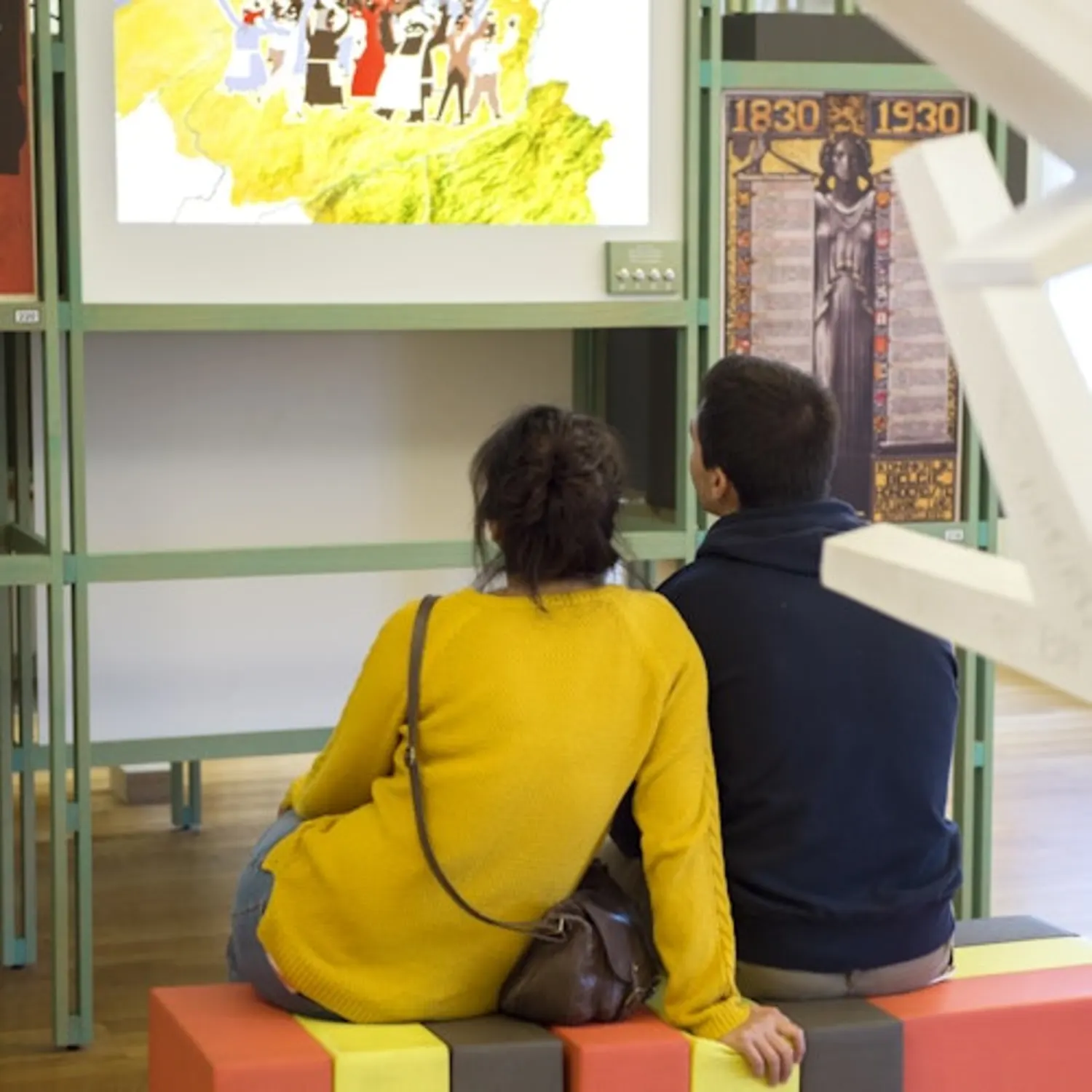
The BELvue Museum offers a unique chronological and thematic look at the evolution of Belgium since its independence in 1830. Through seven distinct rooms, visitors explore how the nation transitioned from a young constitutional monarchy into the modern federal state it is today.

Insight into National Identity and Democracy

Beyond simple dates and figures, the museum focuses on the core values and challenges that shape Belgian society. Displays address complex topics like social movements, language diversity, and the democratic process, making it an essential stop for those wanting to understand the local culture.

The Grandeur of the Former Hotel de Belle-Vue

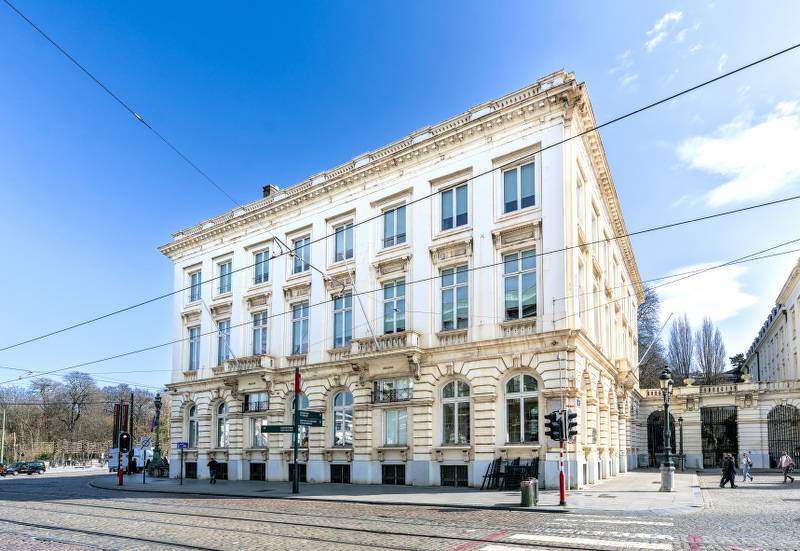
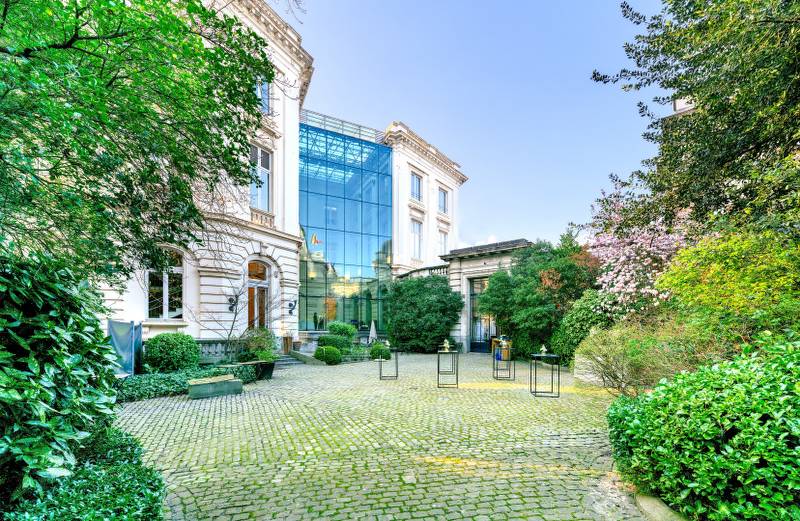
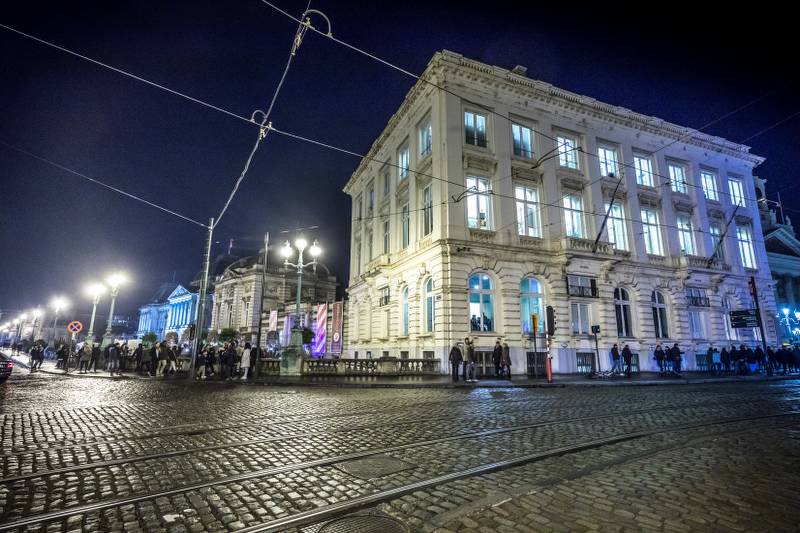
The museum is housed in a beautifully restored 18th-century neoclassical building that once served as a luxury hotel for royalty and nobility. Walking through its halls allows visitors to appreciate the architectural elegance of the Place Royale while standing at the historic heart of Brussels.

An Extensive Collection of Belgian Icons

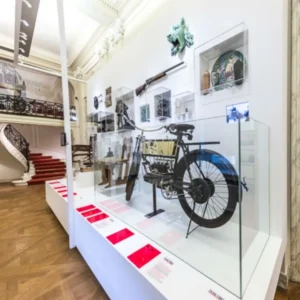
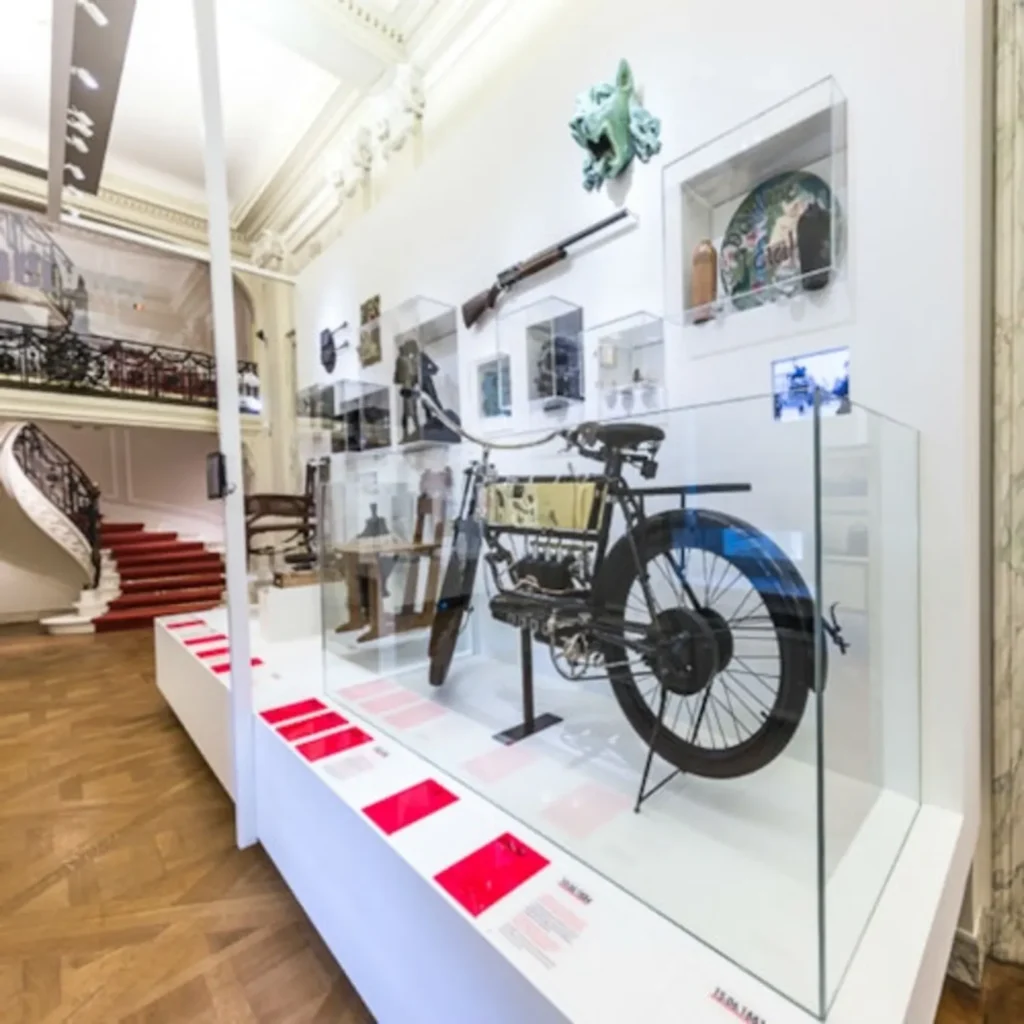
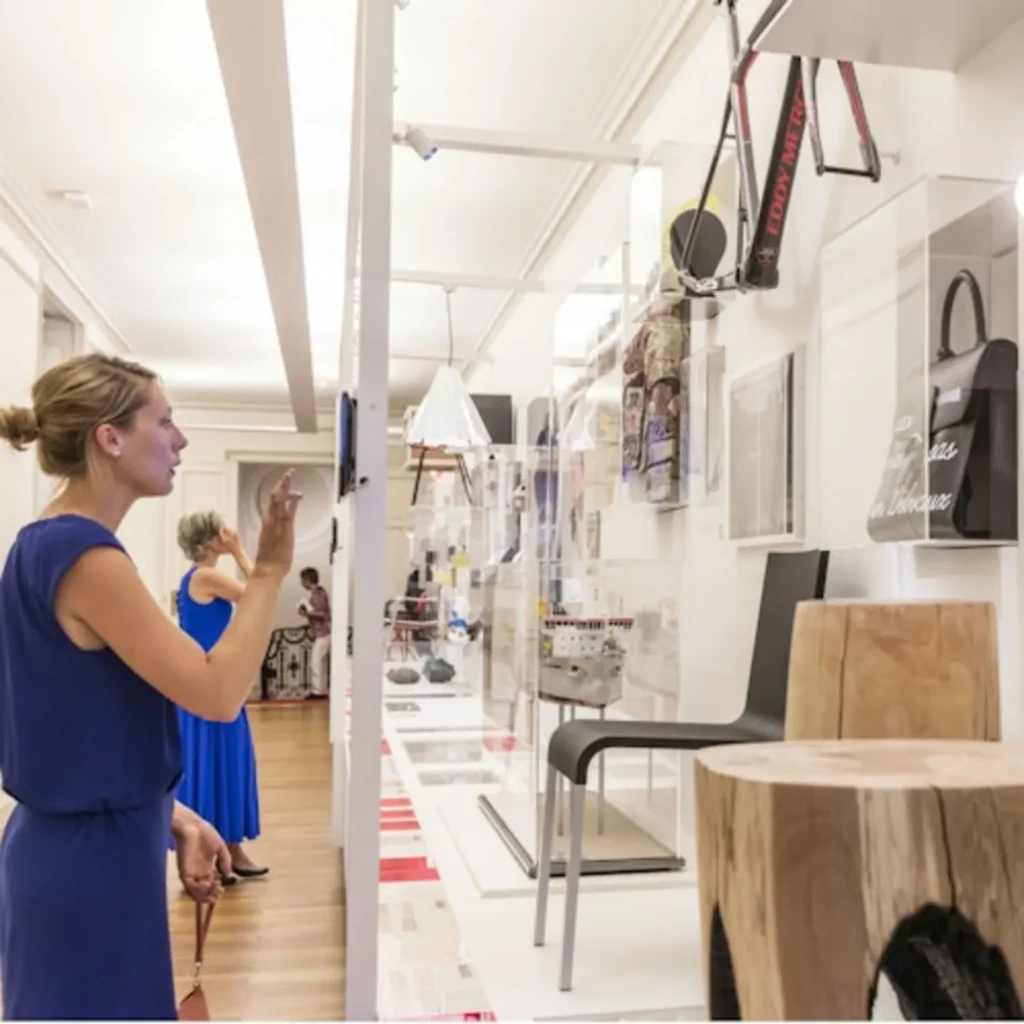
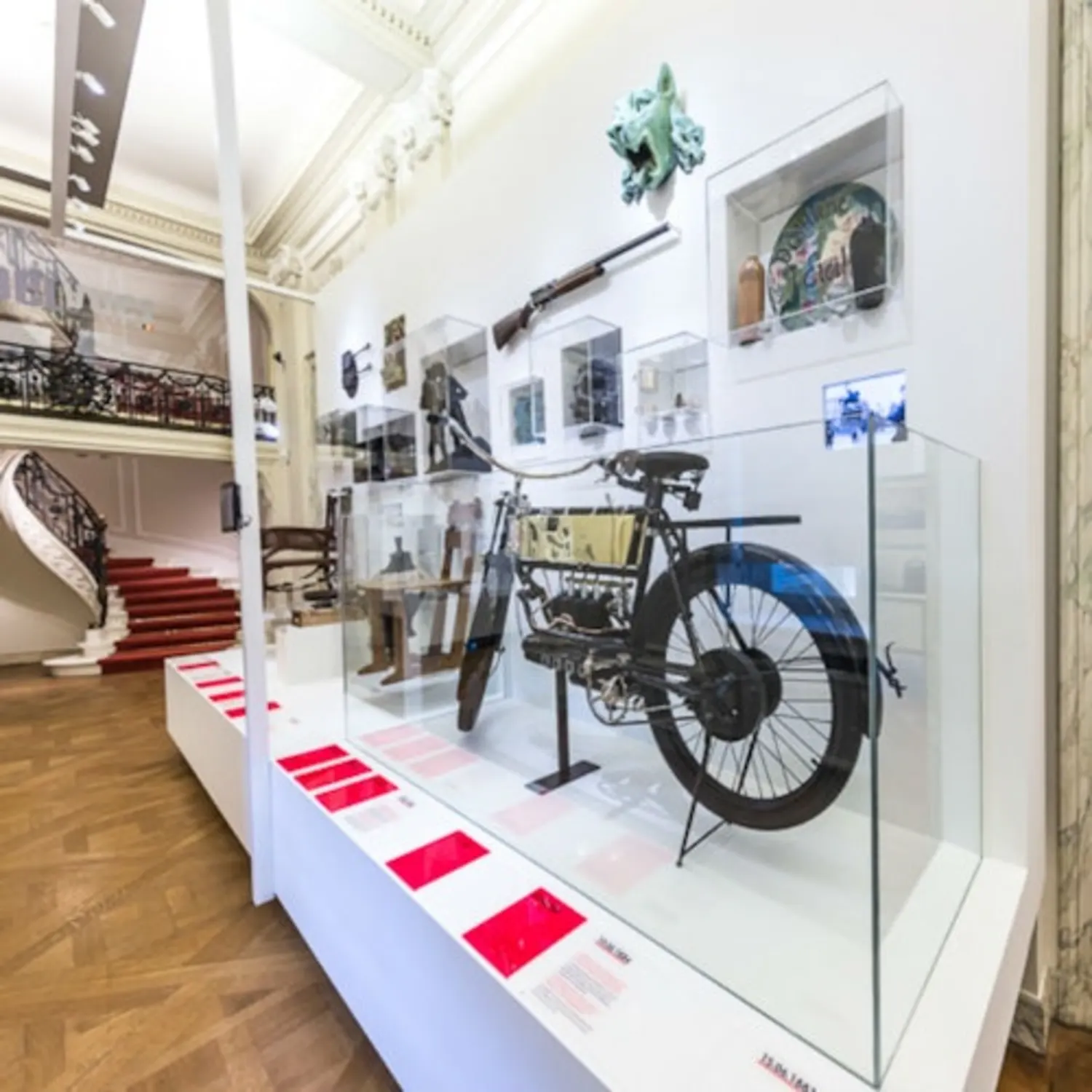
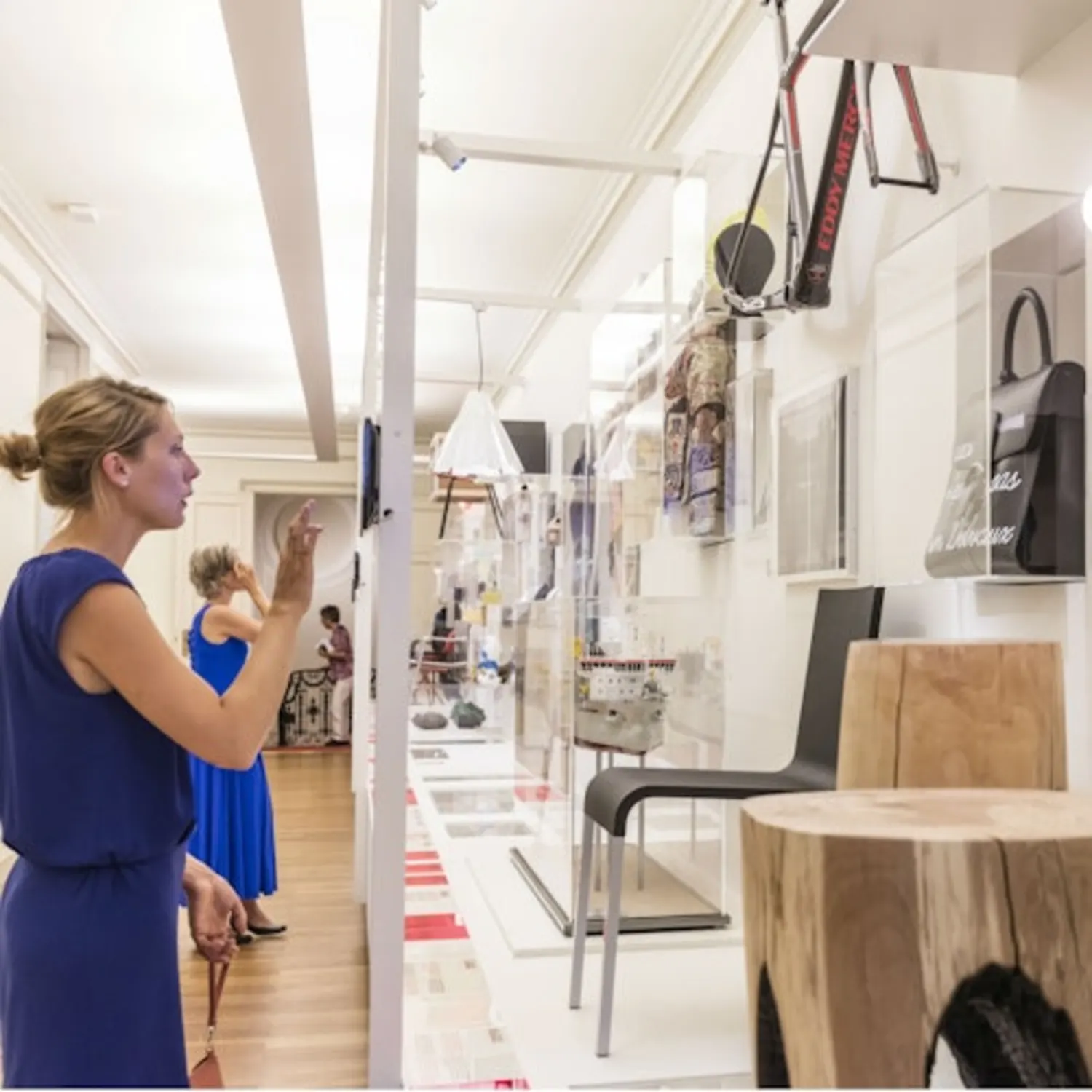
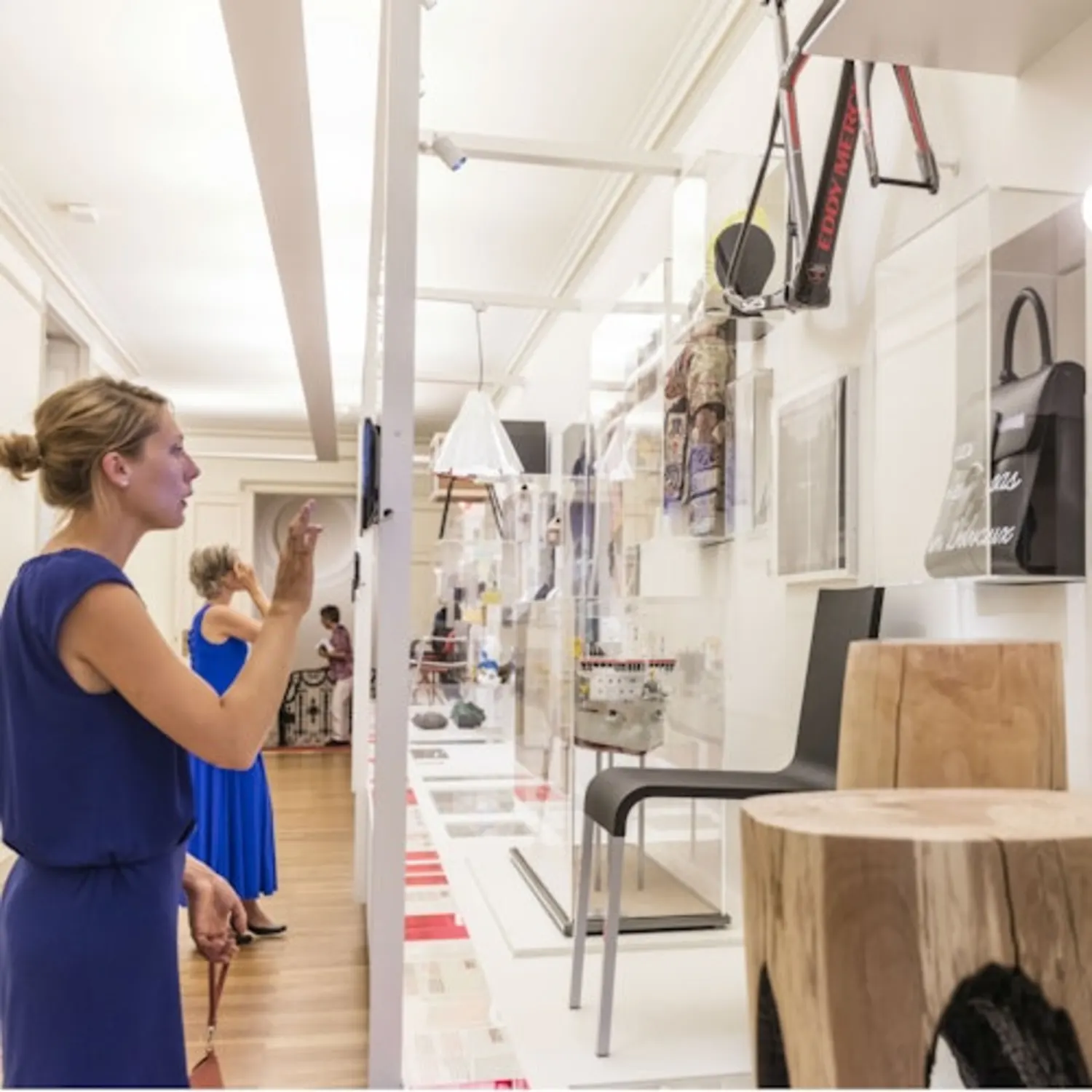
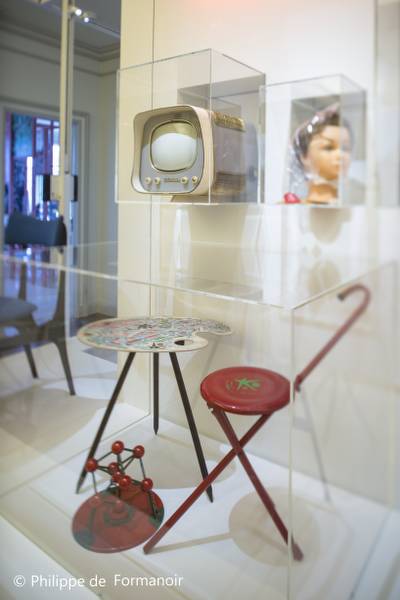
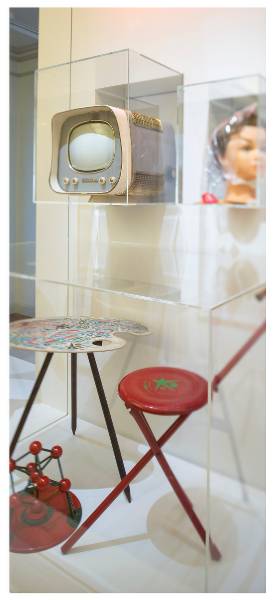
The permanent exhibition features over 1,500 original objects that define Belgian life, ranging from everyday household items to significant pieces of art and design. These artifacts provide a tangible connection to the past, illustrating the country’s industrial, artistic, and social heritage.

Exploring the Royal Quarter

Situated right next to the Royal Palace and atop the archaeological site of the Coudenberg Palace, the museum is perfectly positioned for a day of sightseeing. Its central location makes it an ideal starting point for exploring the surrounding historical landmarks and the Brussels Park.

Additional Info

BELvue Museum (Google Maps)

For refreshments, visitors can visit BELvue’s on-site bistro, 'Brugmann', which features a terrace overlooking the courtyard and the nearby Brussels Park.

The bistro offers a selection of light lunches, seasonal Belgian specialties, and local beverages, making it an ideal spot for a break during a day of sightseeing in the Royal Quarter.

The dining area is accessible both to museum visitors and the general public, providing a serene atmosphere away from the bustle of the city center.

The menu emphasizes fresh, local ingredients, ensuring a high-quality culinary experience that complements the cultural visit.

BELvue Museum (Google Maps)

The museum shop, located near the exit, offers a curated selection of items that reflect Belgian history, culture, and design.

Visitors can find an array of specialized books and publications covering Belgian politics, society, and the arts, as well as unique stationery and postcards featuring historical imagery from the collection.

In keeping with the museum’s focus on national identity, the store also highlights Belgian craftsmanship.

From iconic comic strip memorabilia and local gourmet treats to contemporary design objects, the shop provides an opportunity to purchase meaningful souvenirs that go beyond standard tourist fare.

Interesting Facts about the BELvue Museum

The BELvue Museum is housed in the former Hotel de Belle-Vue, a luxury establishment built in the 18th century to accommodate high-ranking travelers.

The building survived the 1830 Belgian Revolution and still bears scars from the fighting, including bullet impacts visible on the facade.

Before becoming a museum, the structure served as a royal residence for members of the Belgian royal family, including Princess Clémentine.

The museum’s permanent collection features exactly 1,500 objects that illustrate the daily lives of Belgians throughout the decades.

One of the most curious items on display is a physical piece of the first Belgian railway line, which was the first of its kind in continental Europe.

The exhibition layout is unique because it is organized by theme—such as democracy, prosperity, and solidarity—rather than a simple chronological timeline.

In the 19th century, the Hotel de Belle-Vue hosted famous guests including Benjamin Disraeli, Honoré de Balzac, and the Duke of Wellington.

The museum is built directly above the ruins of the Coudenberg Palace, which was one of the most beautiful princely residences in Europe before it burned down in 1731.

The building underwent a massive restoration in the early 2000s to convert its aristocratic rooms into modern, climate-controlled museum galleries.

The museum garden offers a peaceful vantage point of the Brussels Park and the Royal Palace that many tourists overlook.

It was King Baudouin who initially wanted to create a site dedicated to Belgian history, leading to the museum's eventual inauguration.

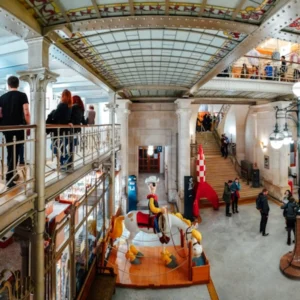
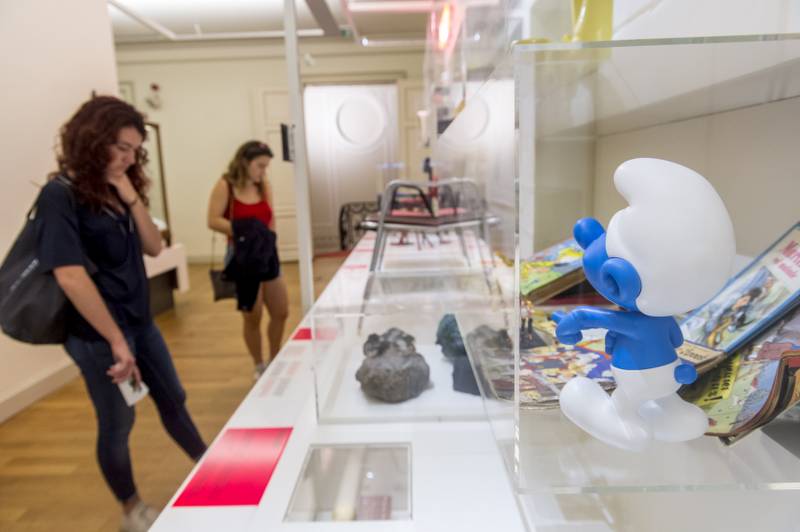
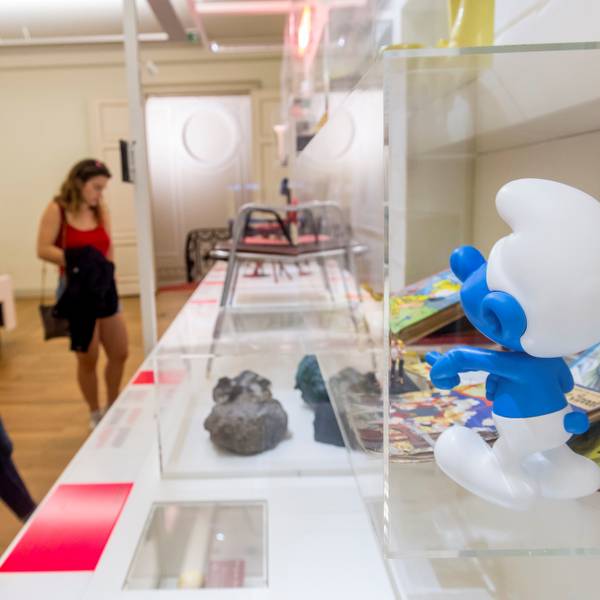
A dedicated gallery within the museum focuses entirely on Belgian "icons," ranging from the saxophone to the Smurfs and local chocolate brands.

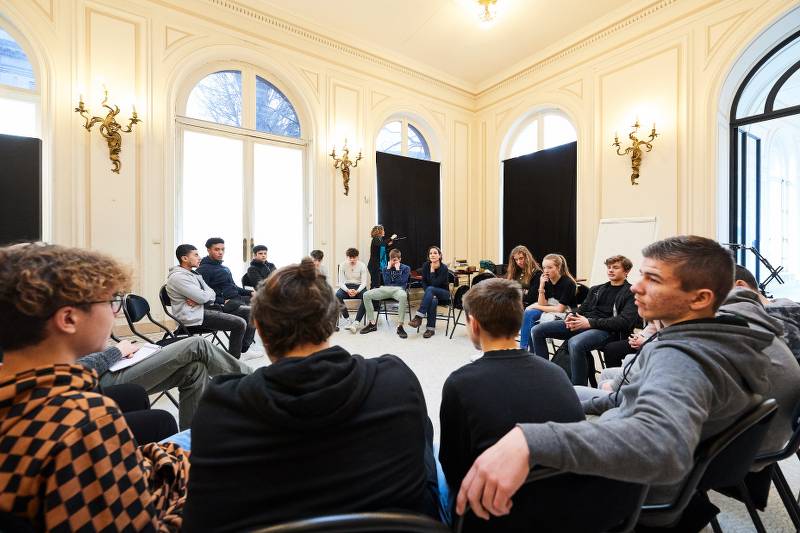
The museum acts as a center for citizenship, hosting thousands of students annually for workshops on democracy and social engagement.

The rooftop of the building offers a rare perspective of the neoclassical symmetry of the Place Royale, one of the most significant urban spaces in Brussels.

While the exterior remains strictly 18th-century neoclassical, the interior features a modern glass-and-steel atrium that connects the various wings.

FAQs about the BELvue Musuem

What is the historical significance of the BELvue Museum building?

The museum is housed in the former Hotel de Belle-Vue, an 18th-century luxury hotel that once hosted royalty and famous figures like Honoré de Balzac.

How is the museum’s permanent collection organized?

The exhibition is arranged across seven thematic rooms focusing on concepts like democracy and solidarity rather than a traditional chronological timeline.

What kind of artifacts can visitors expect to see?

The collection includes 1,500 original objects ranging from everyday household items to Belgian icons like the saxophone and Smurfs memorabilia.

Who were the architects responsible for the building’s design?

The neoclassical structure was designed by architects Barnabé Guimard and Nicolas Barré between 1776 and 1777.

What makes the museum’s location unique?

It is situated in the heart of the Royal Quarter, directly adjacent to the Royal Palace and built over the ruins of the medieval Coudenberg Palace.

Does the building have any visible history of the Belgian Revolution?

Yes, the facade still bears original bullet impacts from the fighting that occurred during the revolution in 1830.

What is the primary mission of the BELvue Museum?

The institution serves as a center for history and democracy, focusing on the core values and social movements that have shaped modern Belgium.

When is the museum closed to the general public?

The museum is closed every Monday, as well as on January 1 and December 25.

Is there a way to visit the museum for free?

Entry to the permanent exhibition is free for all visitors every Wednesday after 2 PM and on the first Sunday of every month.

How much time should I plan for a complete visit?

It is recommended to allow at least 90 minutes to fully explore the thematic rooms and the icon gallery.

Is the museum accessible for those with mobility challenges?

The building is fully wheelchair accessible with ramps at the main entrance and elevators serving every floor.

What public transport options are available nearby?

The museum is a short walk from the Brussels-Central train station and the Parc and Trone metro stops.

Are there storage facilities for personal items?

Free lockers and a cloakroom are located near the reception for storing large bags, coats, and umbrellas.

Does the museum offer activities for families with children?

Special "kids' tracks" and thematic activity folders are available for various age groups to keep young visitors engaged.

This website sells official tickets for this venue. Please note, however, that it is not the official website of the venue.

The images and videos on this website may contain visual elements that have been created or enhanced using AI technology. They are provided for illustrative purposes only.